First Impression
The liquor opens with a restrained bitterness and elusive complexity.
Early sweetness is more aromatic than gustatory, while the palate gradually reveals damp autumn leaves, old wood, and fleeting camphor.
The bitterness never truly departs. Instead, it evolves into structure rather than obstacle. Strong sheng jin (生津) quenches thirst, smoothness increases with each infusion, and a subtle, non-sweet comfort quietly emerges.
By the final cups, the tea becomes effortless—pleasant as cooled water, gently warming the body, easing a congested nose, and leaving the belly quietly satisfied.
It is not a tea of fireworks, but of companionship.
Less a performance than a presence.
—
The Bitterness Was Always There
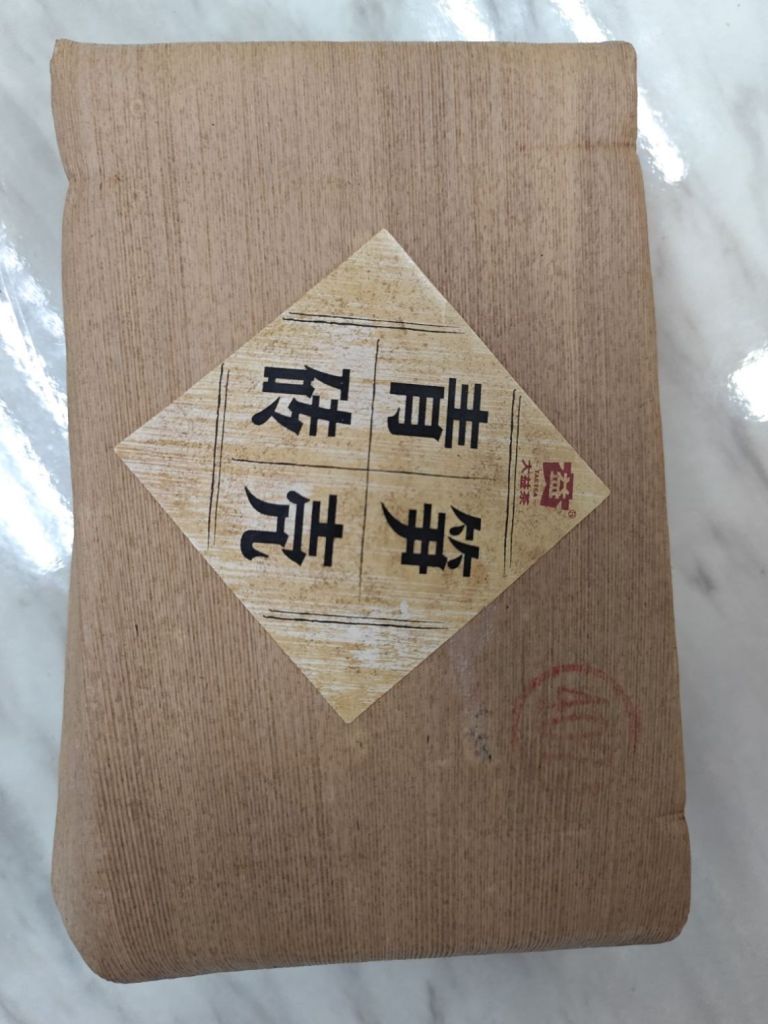
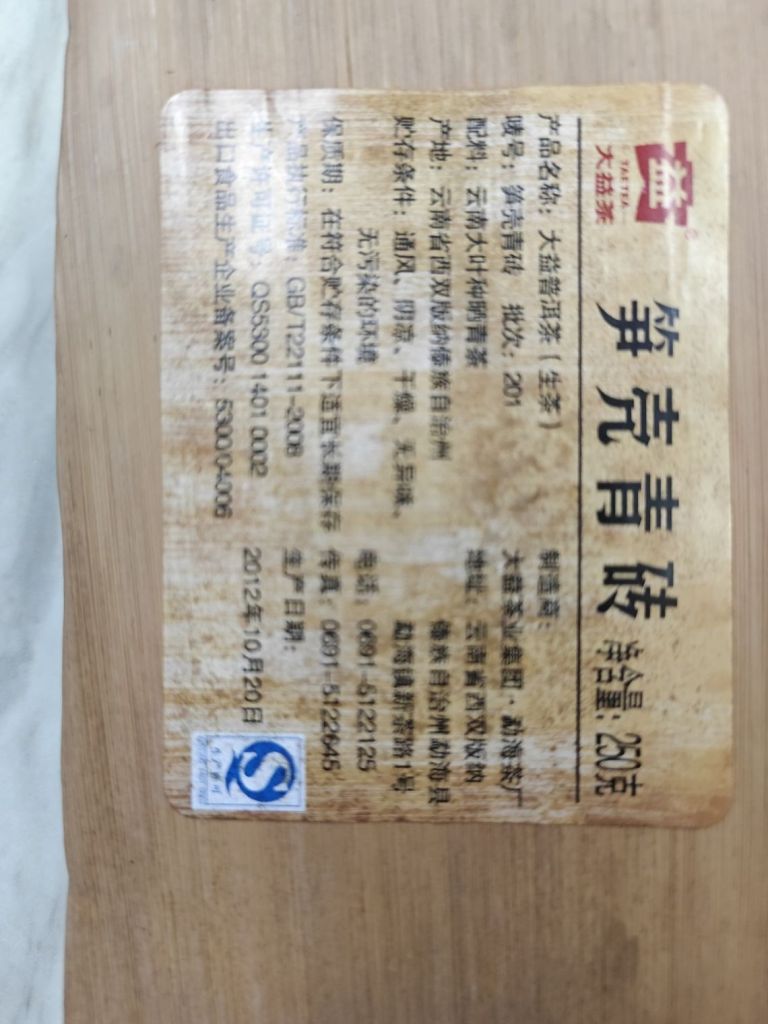
Tonight I drank a gifted 2012 Dayi Raw Sheng Pu’er (大益2012年生茶) brewed with Hokkaido Kuromatsunai water.
The first cup greeted me with bitterness.
Pleasant, but unmistakable.
I waited for sweetness.
For flowers.
For dramatic transformations.
Instead, the tea offered complexity that refused to reveal itself all at once.
As the infusions unfolded, the tea changed without changing.
The bitterness softened, but never disappeared.
There were hints of camphor, old wood, and damp autumn leaves.
My mouth watered.
My thirst was quenched.
A sweetness emerged, not as flavour, but as comfort.
By the final cups, the tea had become effortless.
Smooth as cooled water.
My nose cleared.
A gentle warmth settled into my body.
My belly felt quietly satisfied.
Then I realised:
I had been waiting for the tea to become something else.
Sweeter.
More obvious.
More impressive.
But it never did.
Instead, it remained itself.
The bitterness was always there.
It simply became easier to live with.
Perhaps maturity is not the absence of bitterness, but learning that bitterness need not dominate.
It can coexist with warmth, comfort, and peace.
The tea never said,
“Look how extraordinary I am.”
It simply said,
“I am who I am.”
And somehow,
that was enough.

 worldtea
Leave a comment